
When perennials finish their blooming, the reflex is often the same: take out the pruners and cut everything back to "tidy up" before winter. But what if we told you that this complete cleaning does more harm than good? Many dried stems and flowers still have an important role to play once the beautiful season is over, both for the structure of the garden and for the small wildlife that depends on it.
Here's why (and what) to leave standing this fall.
1. Dried flowers, a feast for birds
The faded cones of echinaceas and rudbeckias are full of seeds that goldfinches and other seed-eating birds come to peck at throughout the fall and even in winter. By cutting them back too early, we deprive these winged visitors of a natural food source at a time when options are becoming scarcer.
2. Grasses, structure all the way into winter
The spikes and foliage of ornamental grasses retain their beauty even when dried, adding movement and relief to a garden that would otherwise become rather dull. They also beautifully capture frost and snow, creating true winter scenes that we would be wrong to cut too quickly.
3. Hollow stems, a refuge for beneficial insects
Many beneficial insects, such as some solitary bees and ladybugs, spend the winter sheltered in the hollow stems or dead foliage of perennials. By leaving these stems in place until spring, we provide them with an essential shelter for their survival, which results in more pollinators and fewer pests in your garden the following year.
4. Natural protection for roots
The foliage and stems left in place also act as a natural mulch, insulating the base of the plants against the wide temperature variations of the Quebec winter. It's a free layer of protection that can make a real difference for the survival of some more fragile perennials.
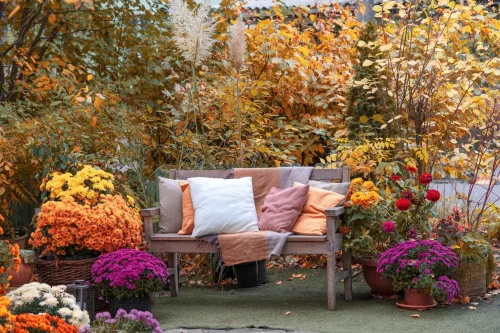
A garden that's a little less "perfect" to the eye at the end of the season is actually a much more lively garden: more generous for birds, more welcoming for beneficial insects, and better protected to face the winter. Keep the pruners aside for now; there will always be time for a big cleanup in the spring!
Tips and advice


