
Text by Hélène Baril: Horticulturist, author & speaker
__
Several herbs can be grown in containers indoors during the winter. No need for a large space: a south-facing windowsill (for most), a well-lit shelf during the day, or even a small artificial light, and you're all set. Here are some tips that will allow you to try this tasty and fun experience.
How to grow herbs in winter: the basics
- In August, individually repot the herbs you want to keep indoors for the winter.
- Trim one-third of the new shoots. Take the opportunity to make some cuttings.
- In September, prepare them for a gentle transition indoors, except for some tender perennials like chives, which need to go through several frosts to stimulate the production of new tasty shoots.
- Once indoors, most herbs will need cool temperatures, good relative humidity, and plenty of light to stay healthy all winter.
- Temperatures of around 20°C during the day and 15°C at night promote good growth.
- Provide them with 6 to 8 hours of light per day. If this is not possible, use artificial lighting for 12 to 14 hours.
- You can also opt for sowing (when recommended), to be done outdoors in early August, then brought indoors around mid-September.
The best herbs to grow indoors in winter
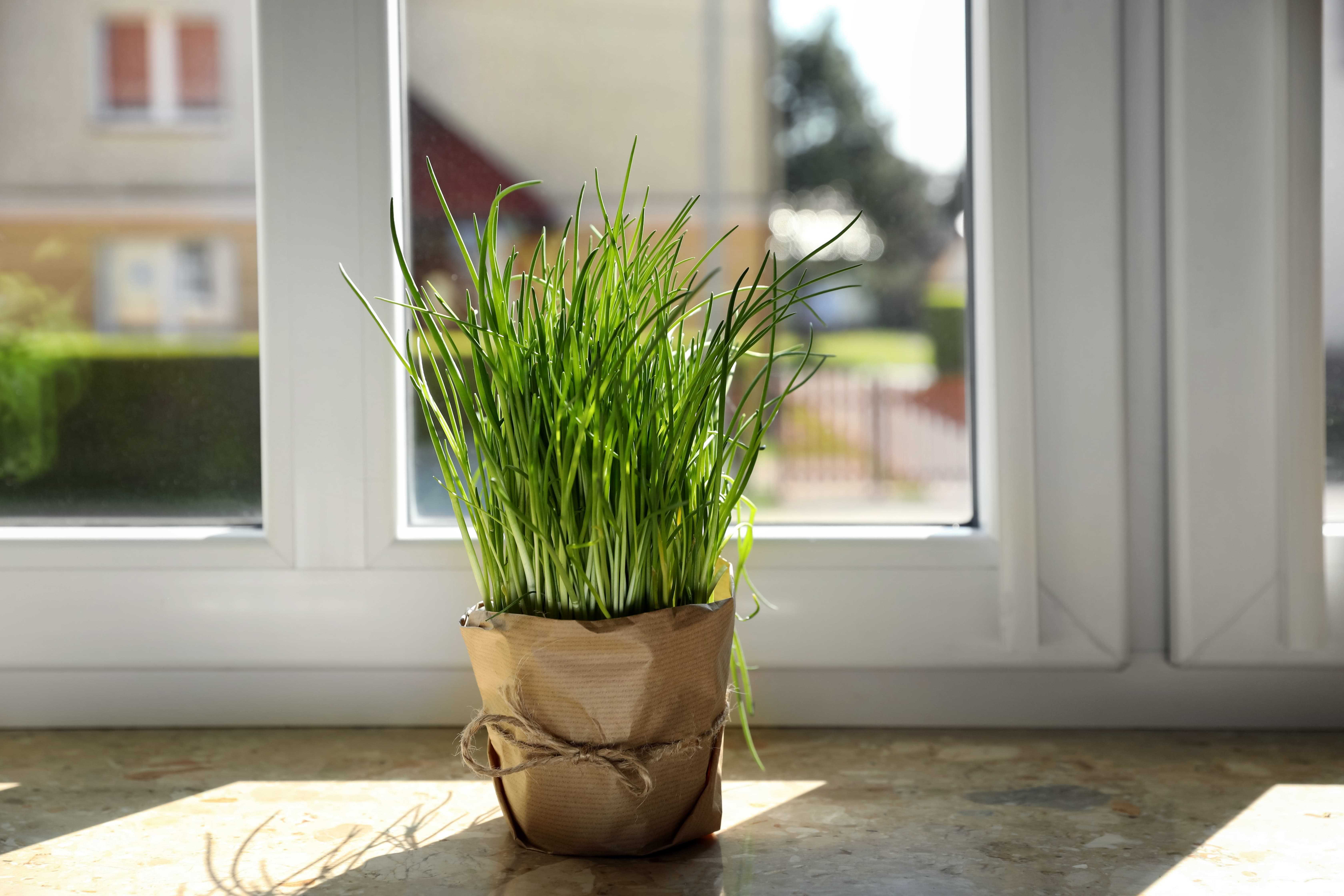
Chives (Allium schoenoprasum)
To grow chives indoors during the winter, wait until they have experienced a few frosts before bringing them in. Trim the leaves to two-thirds and place the pots in direct light. You can also do indoor sowing in September or October: germination is quick.
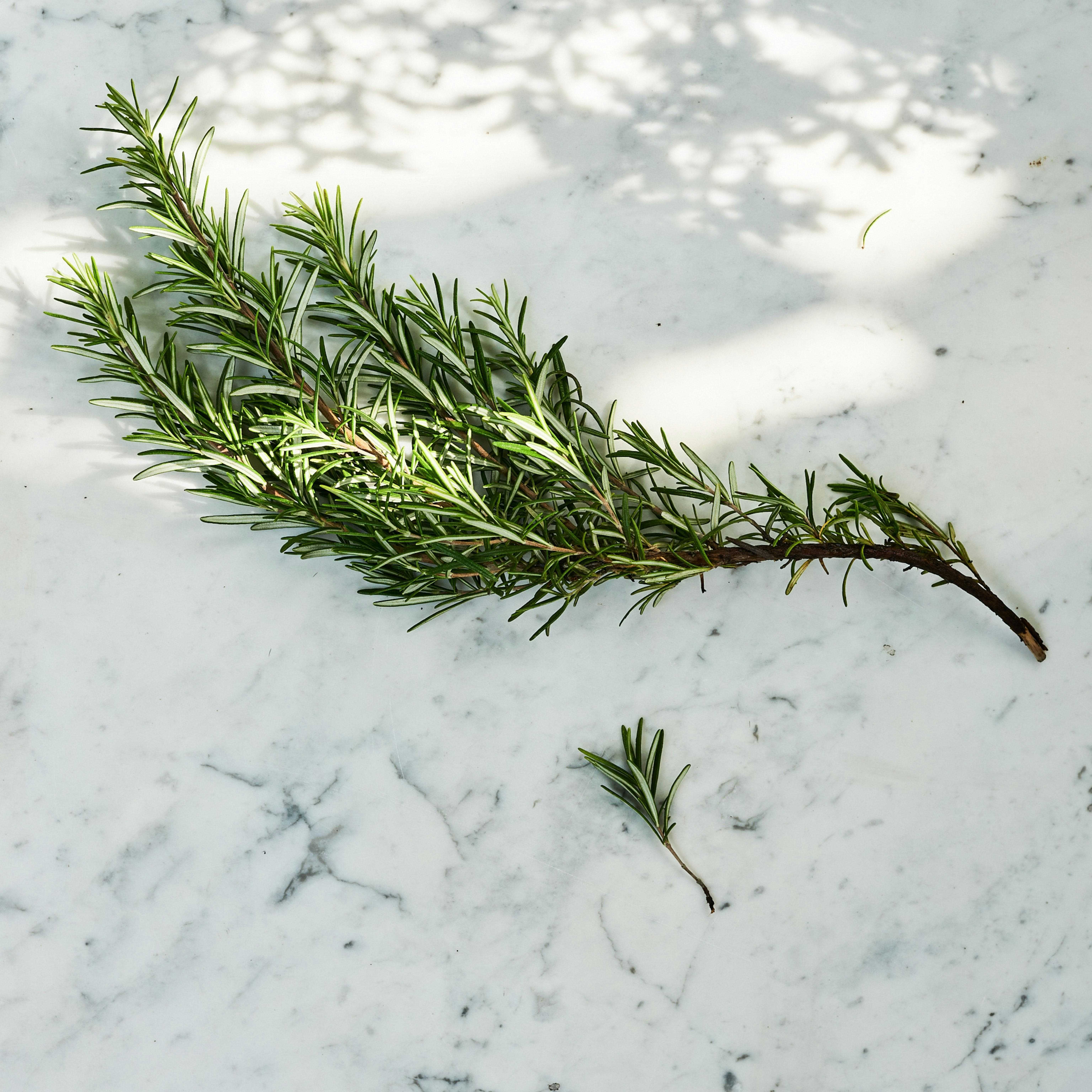
Rosemary (Rosmarinus officinalis)
Bring your plants indoors before the nights drop below 10°C. Rosemary enjoys 6 hours of indirect light per day and a cool temperature (18 to 15°C). Indoors, it can sometimes offer pretty pale blue, white, or pink flowers.
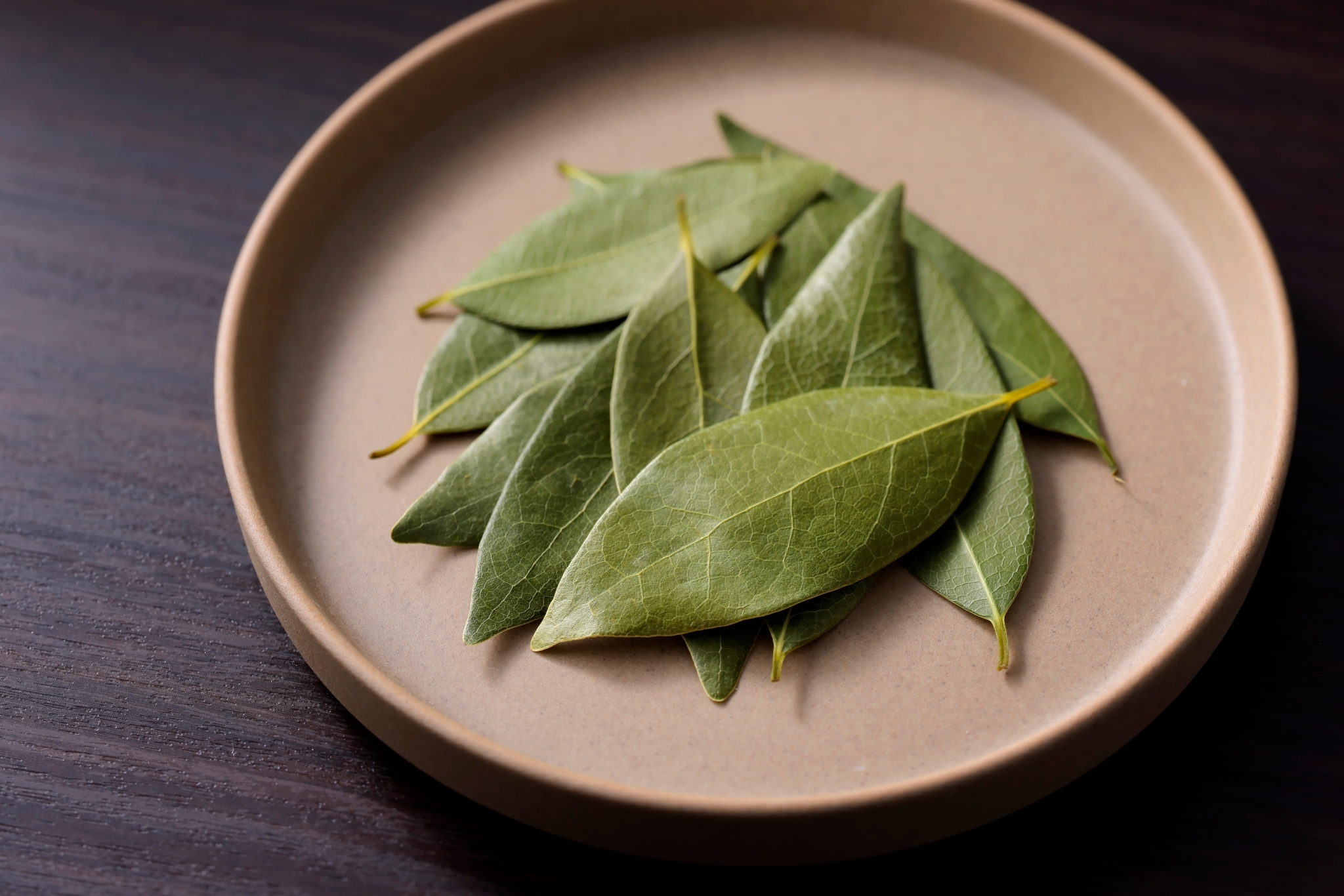
Bay Laurel (Laurus nobilis)
Its shallow roots are sensitive to cold; bring it in as soon as nights reach 12°C. Water sparingly, allowing half the pot to dry out. Place it facing south to take advantage of maximum light.
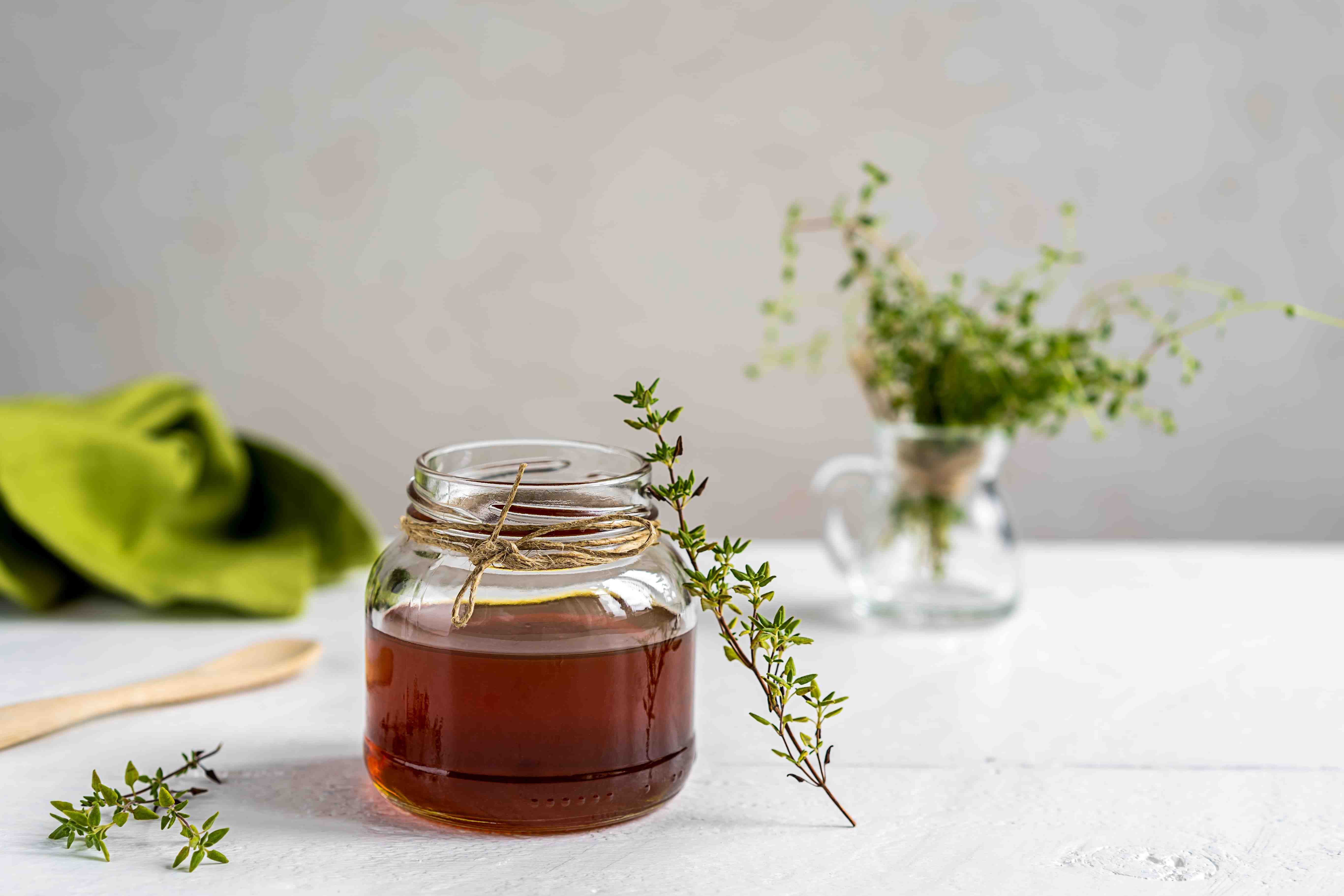
Thyme (Thymus vulgaris)
Thyme can winter indoors without any problem. Repot it in August, bring it in before the first frosts, and trim it by half. Provide it with a south-facing exposure and moderate watering. Sowing is not recommended, as germination is long.
Basil (Ocimum basilicum)
As it is an annual, basil is difficult to keep. The best choice is sowing. In late August–early September, sow several seeds in a tray, bring it in before the nights drop below 12°C, and provide warmth and light. This way, you will enjoy fresh young shoots all winter, which you can then transplant in the spring.
Want to start your winter indoor garden? Visit your Passion Jardins retailer for practical and personalized advice.
Happy gardening!
Tips and advice


