
Text and photos by Laura Pigeon
It's finally March! Garden centers are opening their doors, and plants are abundant everywhere. We're also starting our seedlings and preparing our garden. It's also the time when we need to think about repotting our indoor plants. And I can already see you coming... "Repotting my plants makes me anxious, I'm afraid of killing them!" It's completely normal to be afraid, but you'll see, it's really not as complicated as that. It is recommended to repot indoor plants once a year to give them new nutrients with fresh potting soil.
Signs that our plant needs to be repotted
There are several ways to see if a plant needs to be repotted:
- If it hasn't grown for several months/years.
- If the soil no longer retains water or if the root ball is super compact and hard.
- If the roots are coming out of the pot.
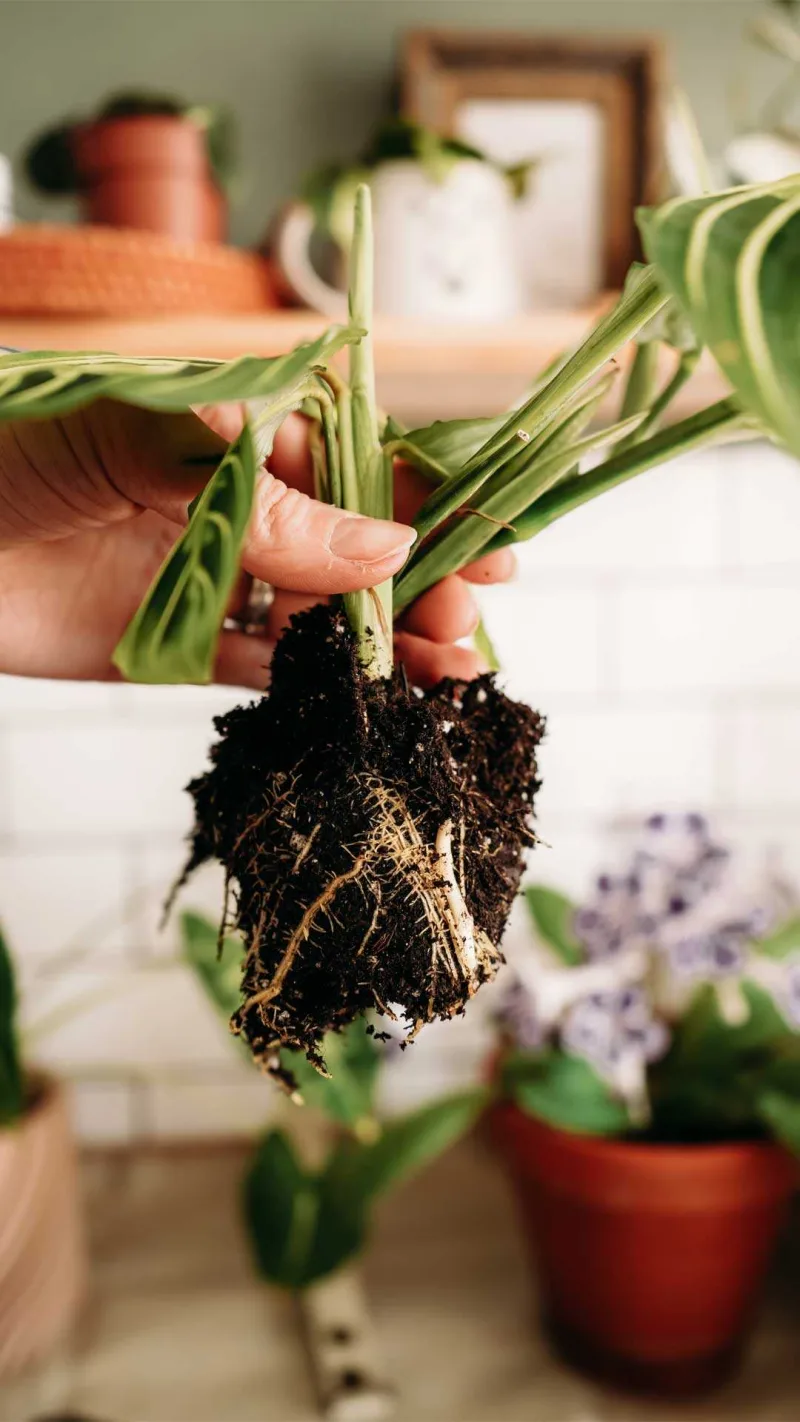
The best way to know is to take the plant out of the pot and check the condition of the roots.
Preparation = the key
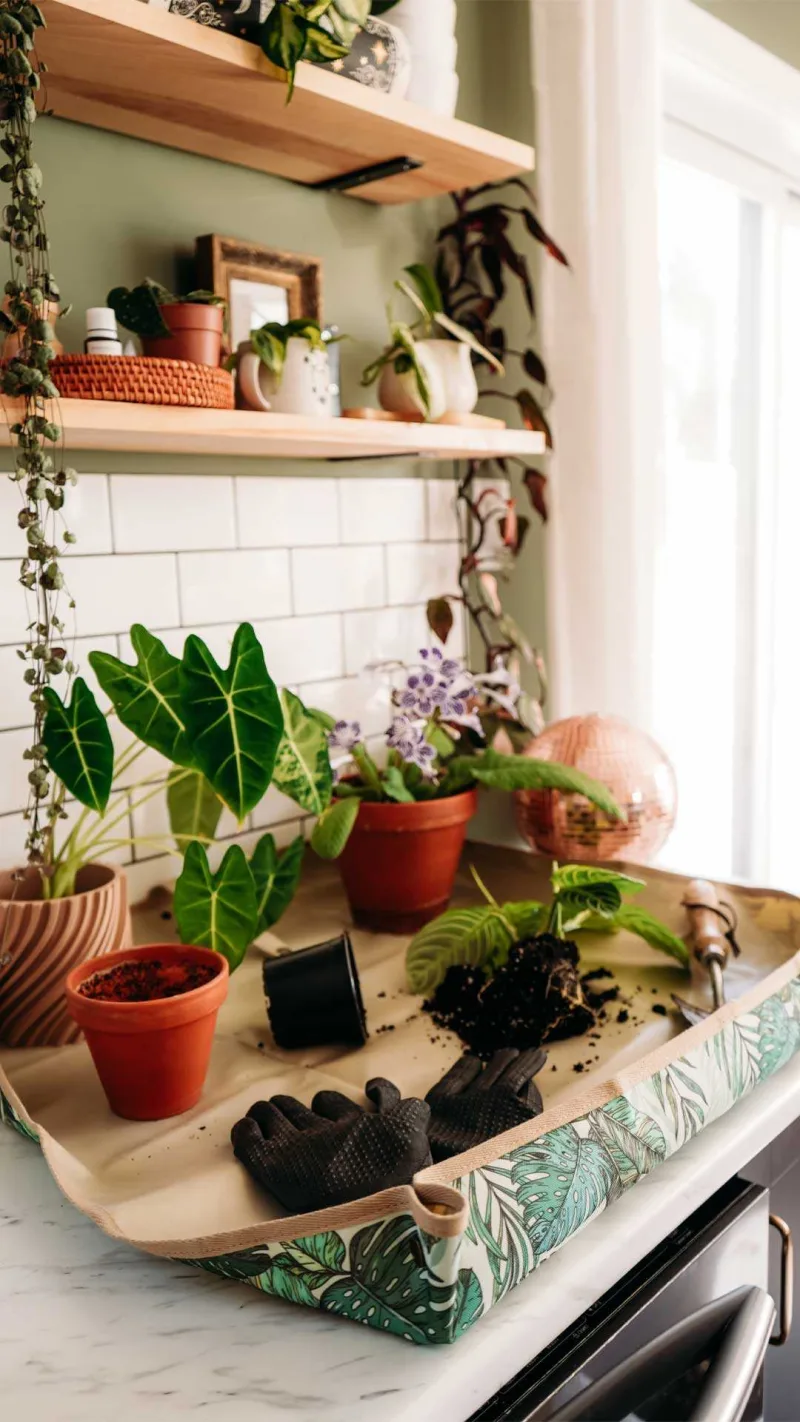
Prepare your things in advance. Look at your calendar and take the time to choose a day for your repotting. I also like to prepare a small list of the plants I will need to repot as well as a list of the pots I will need to buy at the garden center. There's nothing more frustrating than realizing at the time of repotting that you don't have larger pots.
Here, I have a lot of plants, so I don't repot all my plants in one day. I like to repot from time to time, sometimes I wait until June for the larger plants, it's easier and less messy to do it outside.
Choosing the right potting soil
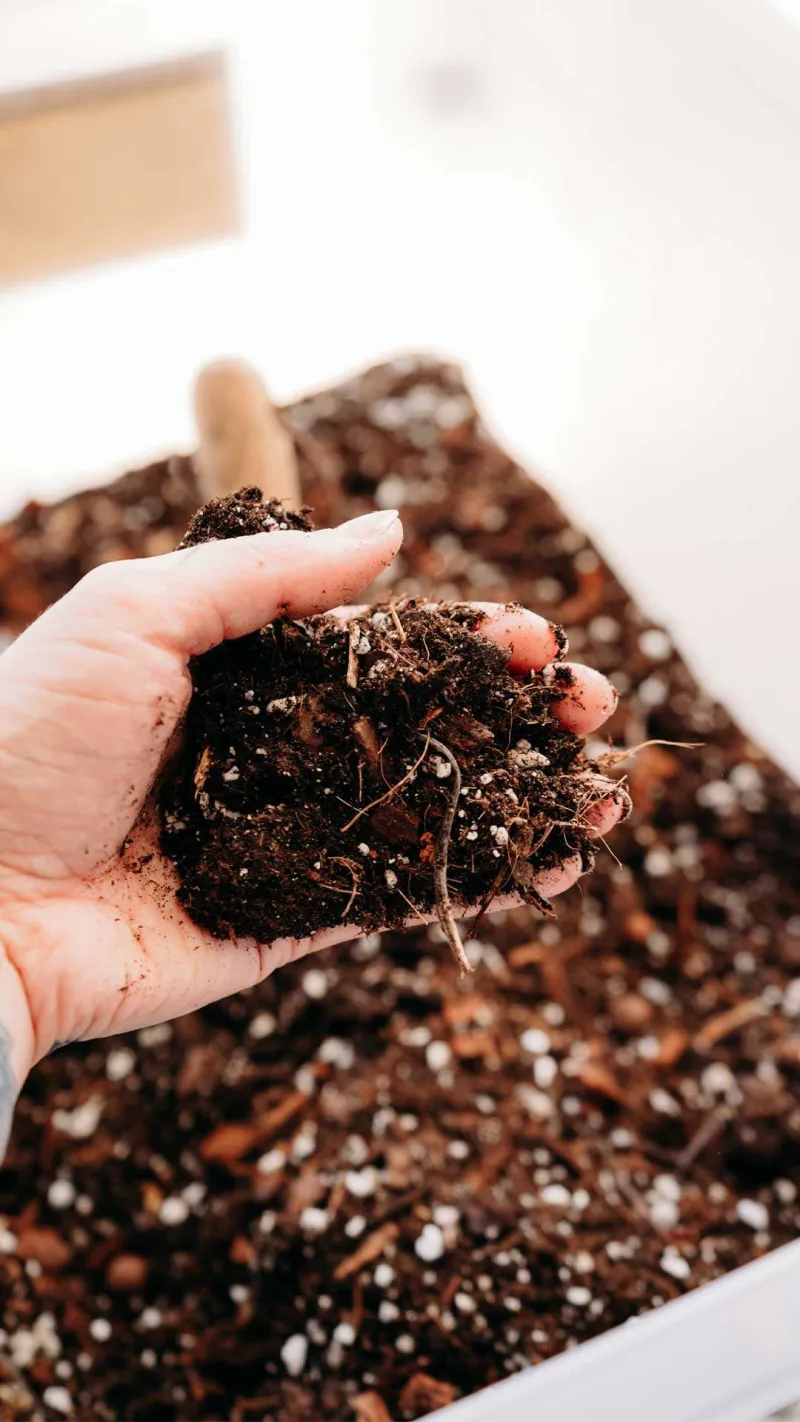
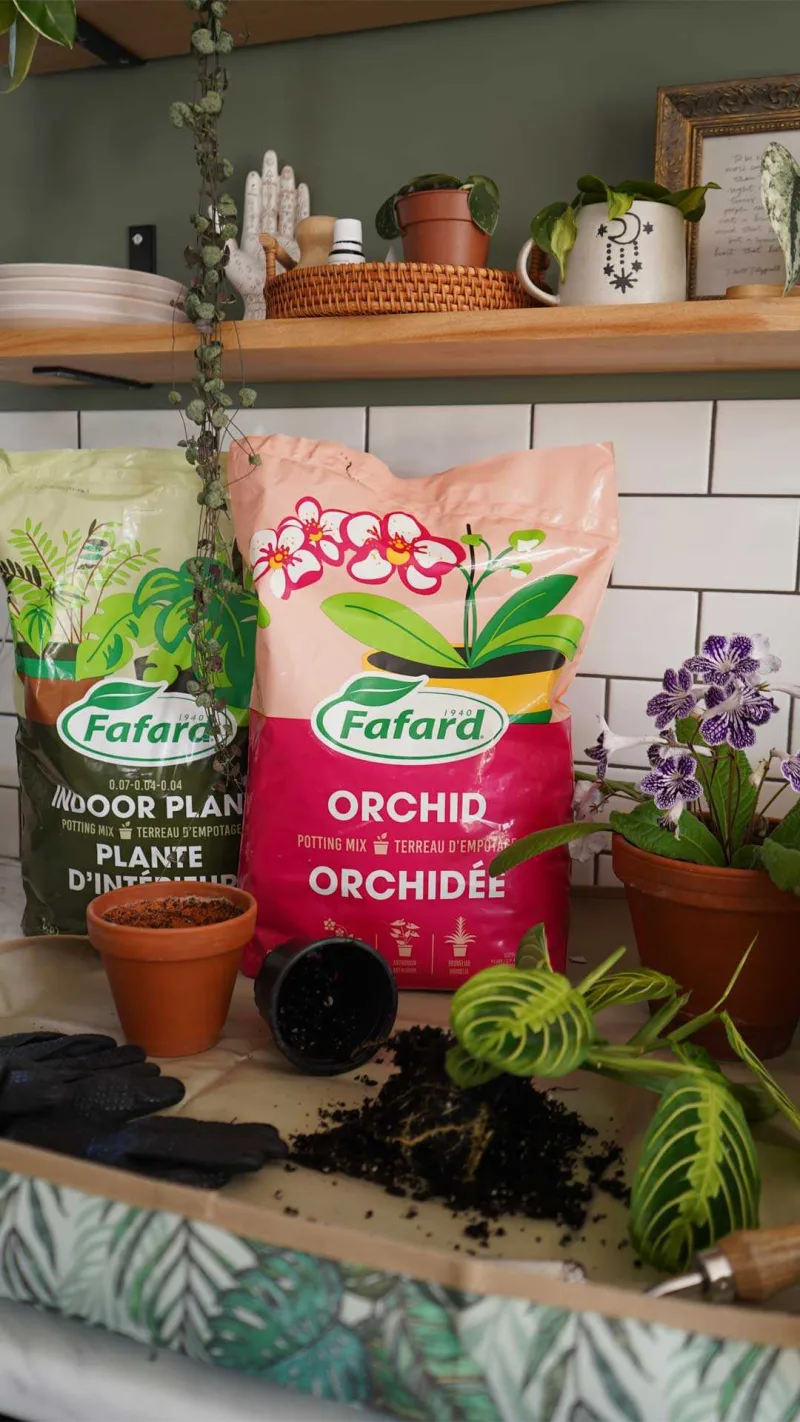
Using suitable potting soil for your indoor plants is superrrrrr important. Orchids, cacti, succulents, and African violets have their own pre-mixed potting soil. For indoor plants, it's important to use potting soil for tropical plants or indoor plants. Especially not black soil, it's not draining enough and not at all suitable for tropical plants. On my side, I like to repot my plants in a homemade potting mix composed of about: 60% repotting soil + 30% orchid soil + 10% perlite. Why? Because this mix is much more draining and the air circulates much more to the roots. This limits the chances of root rot if you like to water your plants often like me!
Choosing the right pot
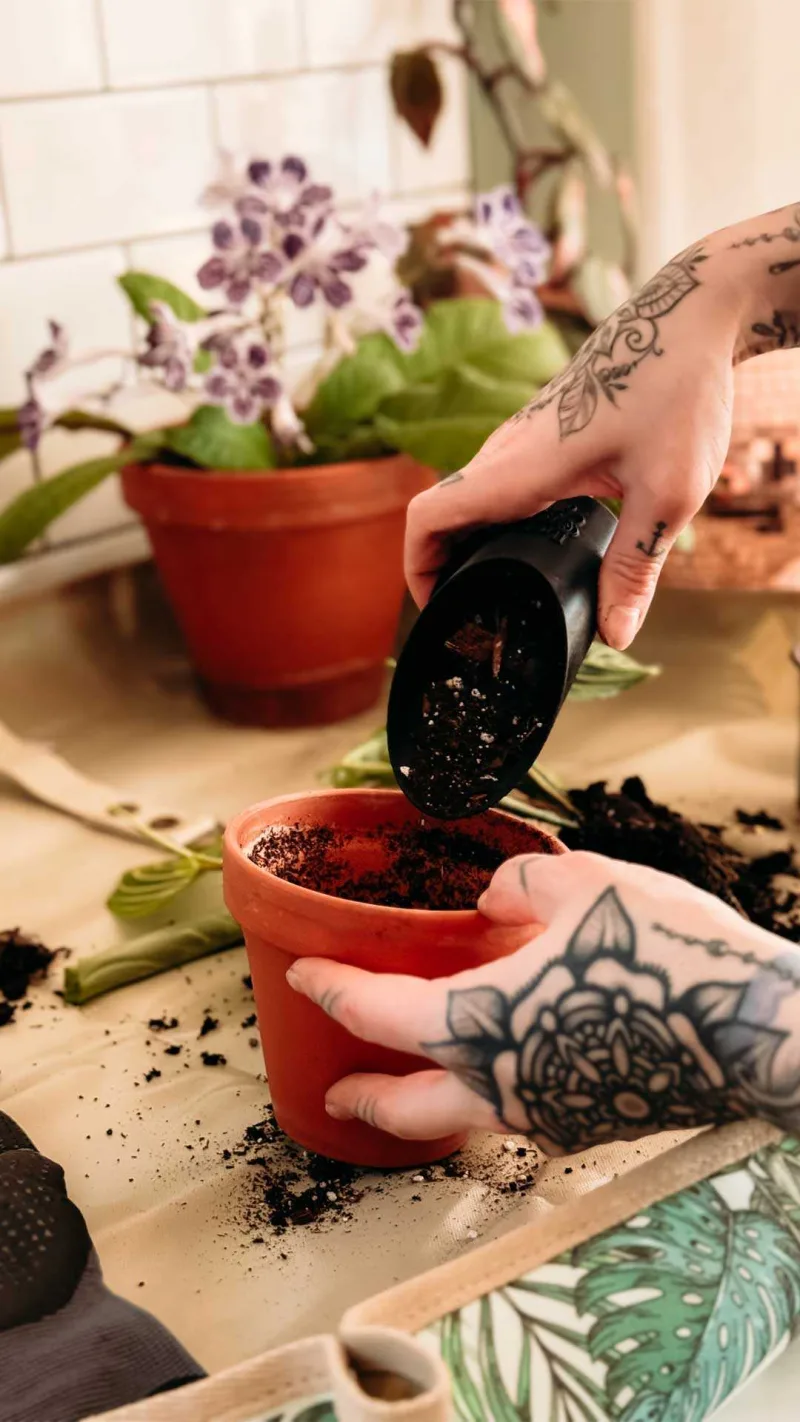
Do we always have to upsize the pot when repotting? The answer is no! You can repot your plant just to give it new nutrients with fresh potting soil. If there is still plenty of room in its pot, you don't need to upsize. However, if the plant is very tight in its pot and there is almost no potting soil left, I suggest repotting it in a pot about 1 to 2 inches larger in diameter. Be careful not to repot in a pot that's too large. The risk of root rot when watering will be higher, and the plant will be much more focused on making roots rather than leaves. (And that's not really what we want!)
Breaking up the root ball is stressful
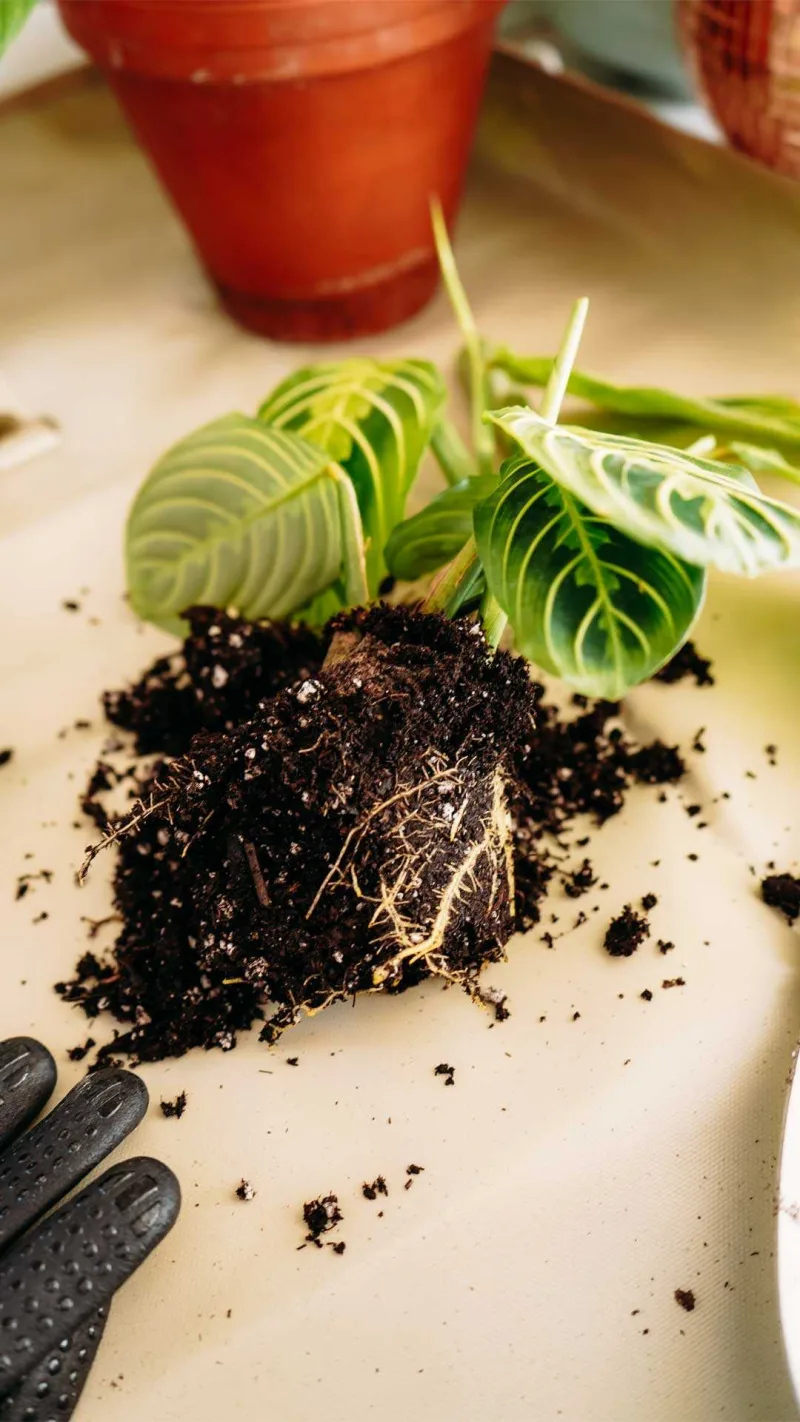
It's true that having to break up the root ball can be stressful. I recommend removing as much old potting soil as possible, but doing it gently. If it's really well embedded in the roots, don't insist. The roots will find their way later, nature is very well made!
However, if the roots are spiraled, meaning they turn in circles in the pot and form a compact spiral around the root ball, you absolutely must cut or break the spiral to avoid root suffocation.
I hope you will now be better equipped to start your repotting, happy gardening season!
Tips and advice


