
While several annuals begin to fade and the garden slowly winds down, some perennials were just waiting for this moment to offer their best! In addition to extending colors until the first frosts, many of these plants provide a valuable food source for bees, butterflies, and other pollinators still very active at this time of year.
Here are 7 perennials to discover (or rediscover!) for a garden that remains vibrant until autumn.
1. Asters
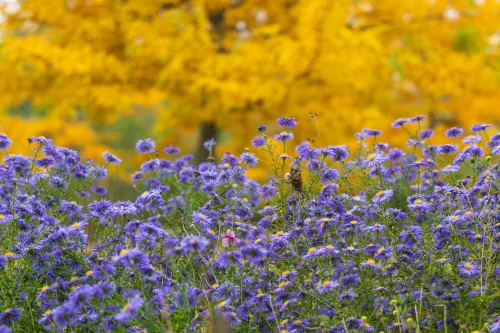
With their small star-shaped flowers in purple, violet, pink, or white, asters are among the must-haves of late summer. They bloom generously from late August until the first frosts and are particularly prized by bees and butterflies, including migrating monarchs.
2. Sedums (such as the popular "Herbstfreude")
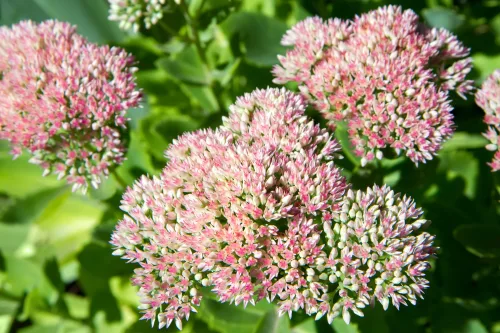
With their fleshy foliage and large clusters of flowers that turn from pale pink to coppery red as the season progresses, sedums add a beautiful texture to the garden. Drought-resistant, they are also a true buffet for bees and butterflies.
3. Rudbeckias
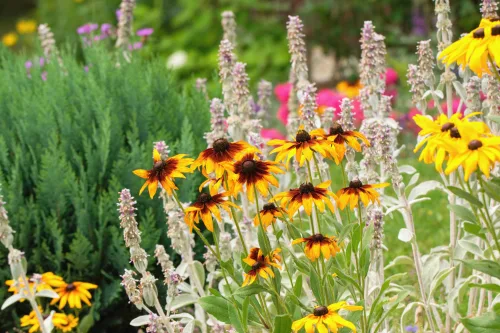
With their bright yellow petals surrounding a dark center, rudbeckias (also called "black-eyed Susans") illuminate flower beds from July until the first frosts. In addition to attracting pollinators, they make excellent cut flowers.
4. Japanese Anemones
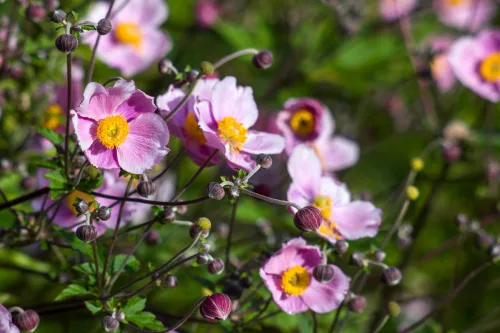
Delicate yet resilient, Japanese anemones produce large cup-shaped flowers, white or pink, borne on long elegant stems. They bloom from August to October and prefer a semi-shaded location, making them a great option to diversify cooler areas of the garden.
5. Heleniums
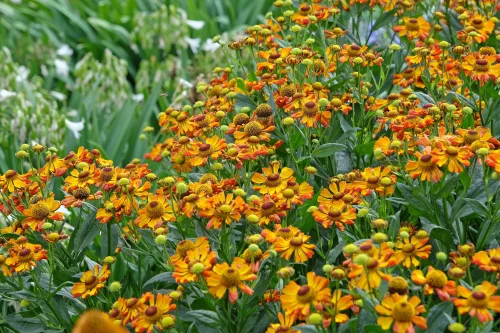
With their flamboyant shades of orange, red, and yellow, heleniums bring an almost autumnal touch to the garden still in full season. Very floriferous, they are also highly appreciated by bees and butterflies in search of nectar.
6. Joe-Pye Weeds
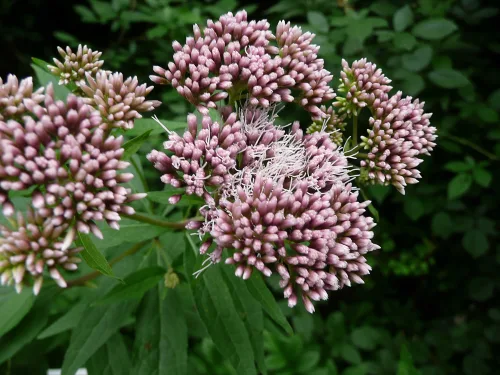
More imposing, Joe-Pye weeds form large clumps topped with clusters of pink or purple flowers, a true butterfly magnet, especially for monarchs. They are ideal at the back of a flower bed or in a slightly wetter corner of the garden.
7. Goldenrods
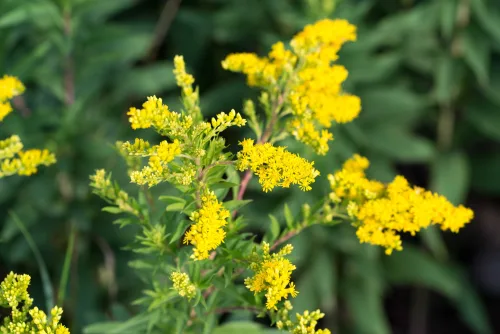
Often confused with ragweed (which causes allergies!), horticultural goldenrods offer magnificent bright yellow plumes late in the season. They are among the best nectar sources for pollinators at a time when options are becoming scarce.
By combining several of these perennials, it's easy to extend the flowering of your garden well past the peak of summer, while providing a true pantry for pollinators that need it before the cold sets in.
Visit your Passion Jardins garden center to discover the available varieties and planting advice suited to your layout: a colorful garden until the first snow is indeed possible!
Tips and advice


